Jewish Education for Children


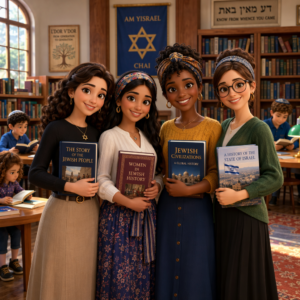
When the stars come out in the spring, it is a good time to talk with your kids about stories of finding new things and being amazed by them. This Jewish American Heritage Month, the Jewish Women Series asks you to see the sky in a new way with Vera Rubin. She was a famous astronomer who led the way for many others. Her story is more than just about science. It is also about being curious, not giving up, and holding on to Jewish identity in the United States. We invite you to join us as we see how her special journey can help more boys and girls look to the stars and dream big. For more information, visit jewishwomenseries.com.
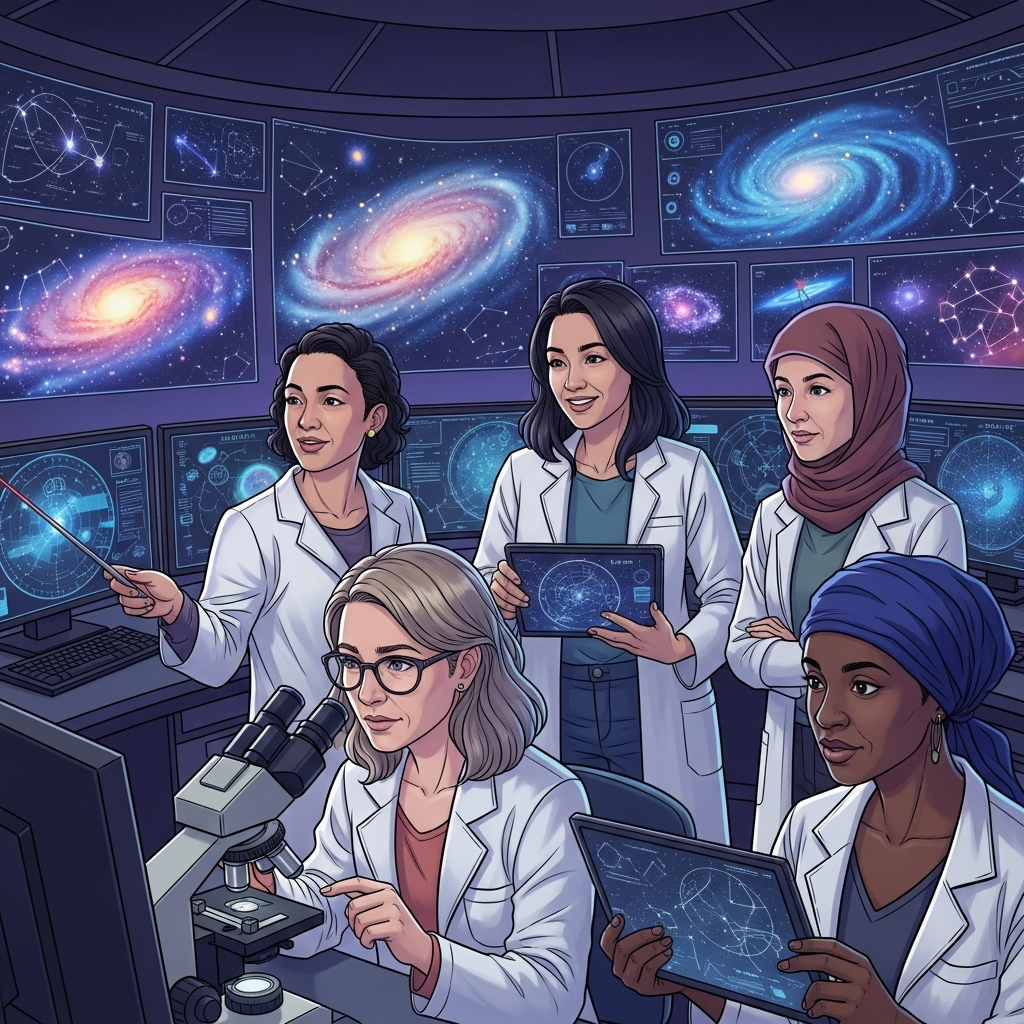 The Jewish Women Series tells the stories of amazing Jewish women who changed the world. These books share the journeys of bold Jewish women in science and other areas. Their work made a big difference for everyone.
The series shines a light on their significant contributions and makes sure we do not forget what they have done. These stories help young people feel inspired. They also connect with important cultural celebrations.
Do you want your child to love science? The Jewish Women Series helps children learn about real Jewish women who used their curiosity to find out great things. These stories make science feel easy and fun. They turn hard ideas into adventures.
By showing strong role models like Vera Rubin, the series has a strong effect on young readers. It shows that anyone can be a scientist, no matter who they are or where they come from. When kids see these women face hard times and keep going, it makes them want to do the same. It helps them follow what they love.
These Jewish picture books teach kids about science through good stories about real people. Instead of only facts, kids get to know the life of each scientist. This makes the stories stick with them and can make them excited to be scientists some day.
Jewish American Heritage Month happens in the month of May. This is a great time to celebrate what Jewish Americans have done. The Jewish Women Series is a good way to take part. It shares stories about amazing people who changed the history of the country.
A lot of these stories start with Jewish immigrants and their families. For example, Vera Rubin’s story is one that shows this. During Jewish American Heritage Month, you can remember scientists like Albert Einstein. He changed how people think about physics. There is also Vera Rubin. She found new things about dark matter in the universe. What they did shows how strong and smart the Jewish American community can be.
If you read these Jewish Children Books in the month of May, it can help families learn more about where they come from. It’s a good way to talk about both the hard things and the good things these people went through. These talks can help kids want to dream even bigger for their future.
The Jewish Women Series makes STEM fun and interesting for kids. Instead of boring textbooks, these books show science and math through real people’s lives. Vera Rubin’s story, for example, shows her going from a curious girl to a well-known astronomer. Kids can see that loving stars and space might turn into a real job. This can even inspire them in high school and later in life.
These books are great for parents and teachers to use when teaching. They help start talks and activities that make learning science feel real and active. The story format helps kids get hard topics by showing it in someone’s life.
Here’s how the series makes STEM engaging:
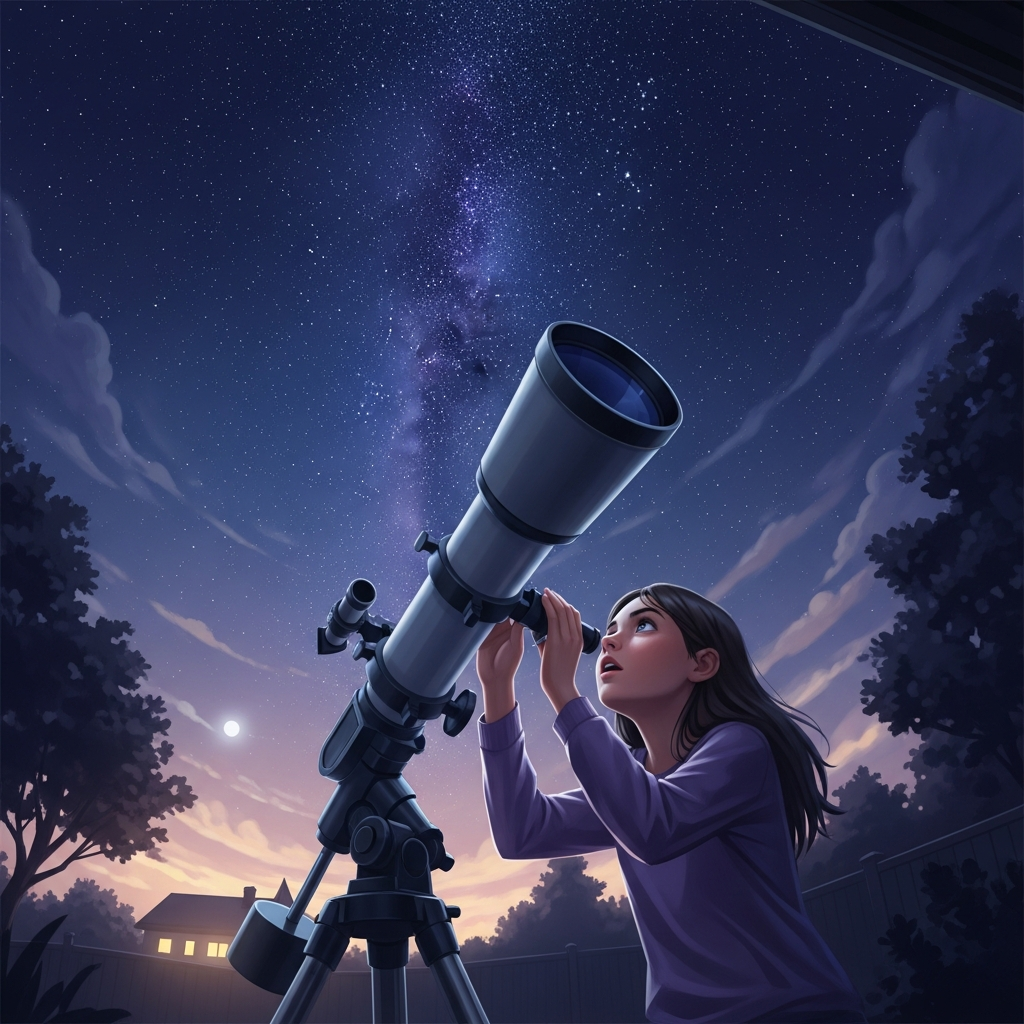 The Jewish Women Series shares the story of Vera Rubin’s early years. She was young when she first started to wonder about the universe. This happened while she looked out her bedroom window. Vera grew up with a strong Jewish identity. From the start, her story is all about her big curiosity and the sense of wonder she felt as a child.
Her family was very important to her. They helped her follow her dreams. They gave her support to chase what she loved. Vera’s childhood is proof that when you get support and enjoy learning, you can do great things. Now, we will talk more about her early interests and the way her family shaped her.
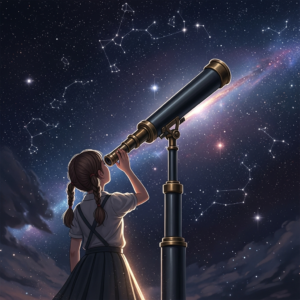
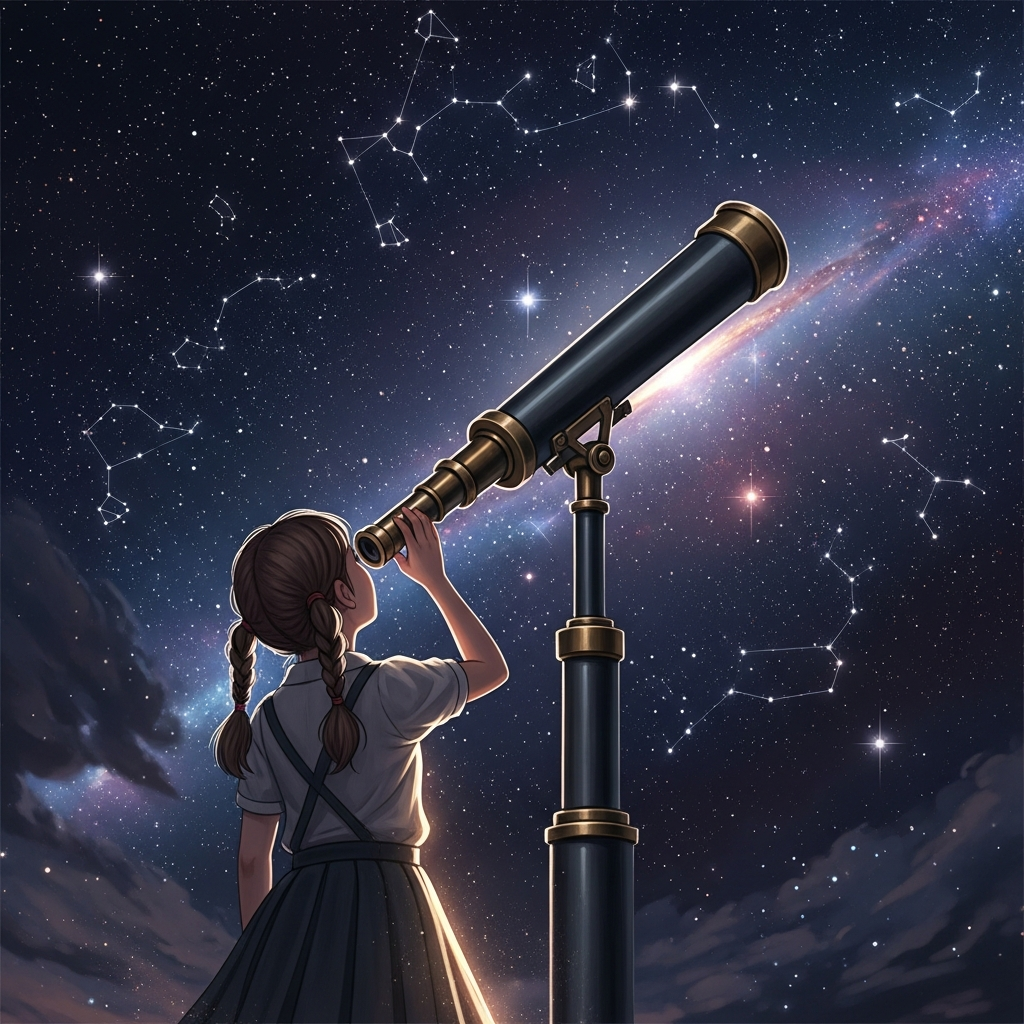
From the time she was young, Vera Rubin was truly drawn to the stars. The Jewish Women Series shows her looking out her window, lost in wonder at the universe. She did not just see the sky; she always wanted to learn more, to ask questions, and to understand what was there.
This led her to study everything about the night sky, like the phases of the moon and the far-off galaxies. Her strong love for astronomy pushed her all through her life and work. She even made her own telescope and kept track of the stars she could see. What started out as a hobby would soon become her life’s goal.
It was this need to ask questions that helped Vera Rubin change how we study the universe. She would focus on things other people did not care about. Because of that, she found proof for dark matter, and this changed the way people thought about how galaxies stay together. Vera’s story shows us the power that wonder and being curious can have. Simple ideas, noticed by jewish women and others, can bring about amazing new things.
Vera Rubin’s life was shaped a lot by her family. She was the daughter of Jewish immigrants. She grew up in a home where people cared about learning and thinking. Her father worked as an electrical engineer and really pushed her to be interested in science. He even helped her build her first telescope. He told her to ask big questions and try new things.
This help from her family was very important. At that time, people did not often see science as a place for women. Her mom and dad always believed she could do it. They pushed her to go after what she loved. Their belief in her helped show Vera that her passion for the stars mattered. She could, and should, try to learn more and do more.
This story is part of a bigger story about family support found in the Jewish Women Series. It connects with the history of Jewish American scientists. Their big moments have often come from having families who cared about school and new ideas. The list of names includes Albert Einstein and Carl Sagan. They also had homes where learning and asking questions were a big part of life. It’s clear that a strong family can have a profound impact on a child’s life.
Vera Rubin’s story in the Jewish Women Series shows young readers that being curious is a superpower. It tells them that when you ask “why” and “how,” you can find new things in the world. Her life is a good example of how a curious mind can help you make big discoveries.
She is a strong role model, especially for young girls who want to be in science. Vera’s journey shows that having passion and not giving up is just as important as being smart. Young readers can see that it’s okay to enjoy things that others may not get or understand.
Kids can learn some important things from Vera’s story:
Keywords like jewish women and young readers help more people find stories like this.
 Vera Rubin was one of the jewish women who became a well-known astronomer. She had to deal with many problems to reach her dream, but she did not give up. The Jewish Women Series shows the journey she took to go through higher education. She had to fight hard to be a part of a field where most people were men.
Her life shows how important it is to stay with something you want. Vera faced people who did not believe in her, but she kept doing her groundbreaking work in astronomy. She showed that if you care a lot and work very hard, you can get past anything. Let’s look at the things she had to get over and the big moments she reached along the way.
Vera Rubin did not have an easy path. She was a young Jewish woman who wanted to work in science during the mid-1900s. At that time, the field of astronomy was mostly made up of men, and many people did not take her work or her ideas seriously. She was often the only woman in her classes and at her job.
She grew up during World War II. This was a tough and unsure time for many Jewish families. Even with these problems in society and people not believing in her because she was a woman, Vera did not give up. She stayed focused on stars and wanted to learn more about them. She tried to get into top programs, but was turned away just because she was a woman.
Still, she kept going. Her life shows the same fight as other Jewish American women in science who had to break down walls to get where they wanted to go. Hedy Lamarr is another example. She was an actress in Hollywood and also worked on inventing things. There is also Rosalind Franklin, who helped people learn more about DNA. Like them, Vera Rubin made her own way through hard times, using courage and her bright mind.
Vera Rubin’s educational and professional journey is a story of determination. After developing a love for the stars in high school, she was the only astronomy major to graduate from Vassar College in her year. She then pursued graduate studies, earning her Ph.D. from Georgetown University.
Her career was marked by groundbreaking work on galaxy rotation rates, which provided the first strong evidence for dark matter. Although she was never awarded the Nobel Prize, many in the scientific community believe she was a deserving Nobel laureate. Her research fundamentally changed our view of the cosmos.
Vera Rubin’s persistence paid off as she became the first woman permitted to officially observe at the Palomar Observatory. Her journey shows how a Jewish American scientist’s curiosity and hard work can reshape our entire understanding of the universe.
| Milestone | Description |
|---|---|
| Vassar College | Graduated as the sole astronomy major in 1948. |
| Georgetown University | Earned her Ph.D. in astronomy, studying galaxy distribution. |
| Carnegie Institution | Conducted her revolutionary research on galaxy rotation curves. |
| Palomar Observatory | Became the first woman officially authorized to use the observatory. |
| National Medal of Science | Awarded in 1993 for her pioneering research program. |
A main idea in the Jewish Women Series is the amazing power of not giving up. The story of Vera Rubin shows this well. People said “no” to her many times. But she did not let those “no” answers stop her. She found new ways to keep working on her research. She showed her critics that they were wrong again and again.
Stories like these about being strong have a big effect on young readers. The stories show them that to win or reach your goal, you have to deal with and get through struggles. This series shares many jewish women like Vera Rubin as role models. They show that not giving up is a big part of making your dreams come true. This helps girls see they can do well, especially in areas where there are not many girls yet.
The message about sticking with it is simple and helps people feel strong:
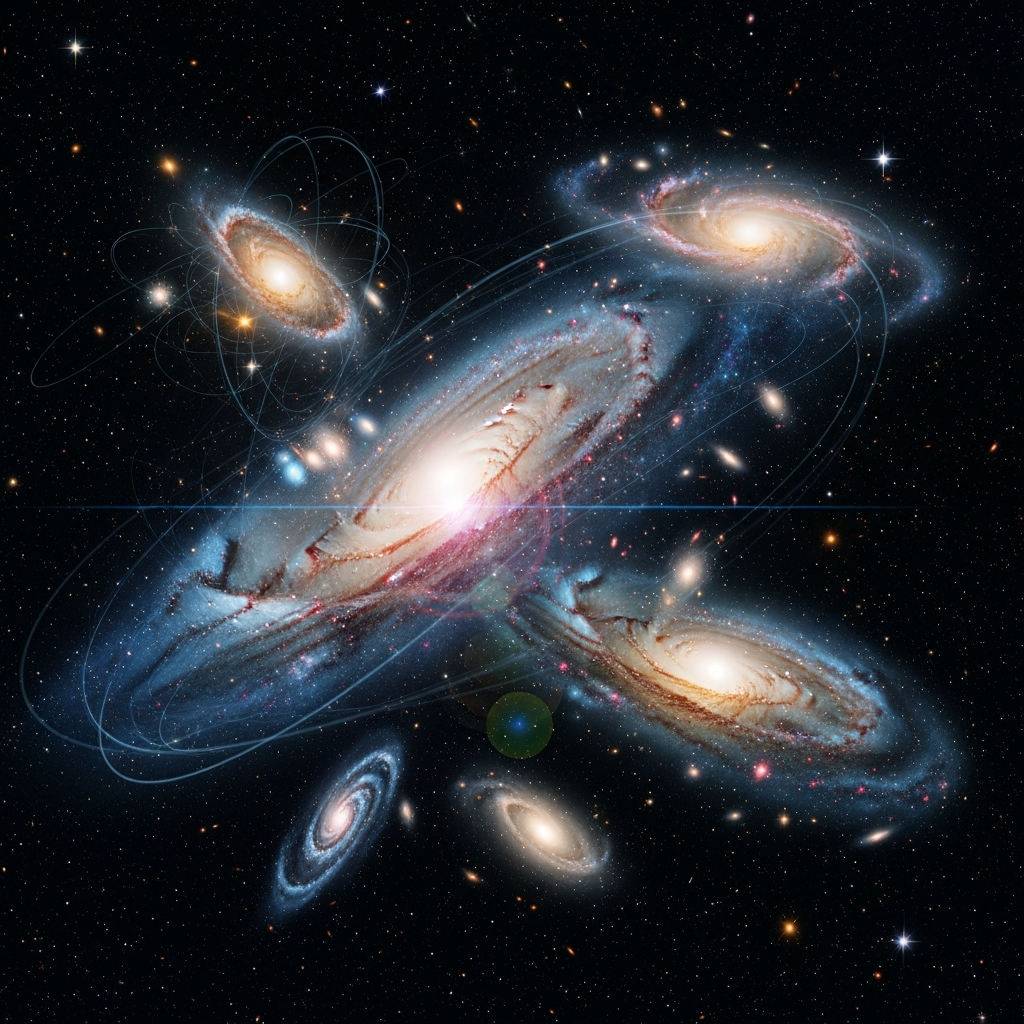 Vera Rubin’s best-known work showed us that the universe is much more strange and full of questions than we thought. She gave the world strong proof for something we can’t touch or see called dark matter. This is something that holds a lot of the universe together even though we cannot see it.
What Vera found changed the world of astronomy for good. It changed how we look at and study galaxies, and how we think about things like a black hole. Now, let’s talk about what dark matter is, and how Vera Rubin’s discovery changed the way we see our universe.
Have you ever thought about what keeps galaxies from coming apart? For a long time, scientists thought only the gravity from stars was enough to hold galaxies together. But Vera Rubin, who was a smart Jewish American scientist, found out something new. She saw that galaxies spun so fast that, without something extra, they should break apart and their stars should move out into space.
Vera Rubin gave a name to this invisible force. She called it “dark matter.” Imagine it as a type of glue. We cannot see it, but we know it must be there. That’s because the stars and galaxies stay held together by its pull. Her work changed how we look at everything in space and gave us a new understanding of the universe. Now, we know that most things out in space cannot be seen by our eyes.
Here’s an easy way to think about dark matter:
Vera Rubin made a big change in modern astronomy. She showed that the universe is not what many people used to think. Before her research, most astronomers thought that what you can see—like stars, planets, or gas—was almost everything there is. But her look at galaxies showed something else was true.
She found out that galaxies spin in a way that does not match what we know about how gravity works, unless there is much more mass that we can’t see. This finding did not get rid of the theory of relativity, but it showed we have a lot left to learn. There has to be something else, and there is a lot of it.
By finding strong clues for dark matter, Vera Rubin, a smart and dedicated Jewish American scientist, made other scientists change how they think about the universe. She opened up a new place to ask questions and helped us see that the universe is full of things we cannot see yet. There is still much out there to learn and enjoy.
The Jewish Women Series makes it easy and fun to learn about astronomy. There are so many neat facts about the cosmos. Vera Rubin’s story tells us about dark matter, which is the biggest thing we cannot see. But the universe is filled with other things we don’t always notice.
Did you know the light from some stars takes millions of years to reach us? When you look up at the sky at night, you are seeing the past. Many jewish american scientists helped us learn things like this.
Here are some good things you can share with your little astronomer:
The Jewish Women Series is not just a group of stories. It has helpful tools for teaching that are great for both parents and teachers. Books about jewish women such as Vera Rubin help you make lessons in science, history, and teaching good values more interesting for kids.
These stories can help you start fun activities. They make learning come alive for children. If you are a parent at home or a teacher in school, the series gives you many creative ways to inspire kids and help them learn more.
Parents and teachers like to use the Jewish Women Series to help get kids interested in learning. The books are great tools because they mix good stories with history and science. They are a good fit for reading at home or at school.
A book about Vera Rubin is a good start for a family to learn about space together. After you read it, you can go outside and use a mobile phone camera with a stargazing app. This is a fun way to look for constellations in the night sky. Teachers can use these stories to help kids learn about important women in STEM. They can also talk about staying strong and not giving up when things get hard.
Here are a few ways to use the series:
Astronomy Day is a good time for families to learn about space together. Vera Rubin’s story from the Jewish Women Series can give you a lot of ideas and show how much someone can do. You can make this day special by trying some fun activities that let you see and learn more about the universe right at home.
Start by reading Vera Rubin’s story. After that, you can try something with your hands, like making a simple telescope. You can also make a model that shows all the planets going around the sun. On Astronomy Day, many local museums and planetariums have special events. These events help you get closer to the stars and also learn about jewish american scientists.
Here are some fun things you can do together as a family:
These activities are a great way to learn and have fun. To find out more, visit local
If your child looks up to Vera Rubin, there are many other good books about Jewish American scientists to check out. These books show the love for discovering new things and can help you grow your child’s shelf of heroes. You can find many of these as Kindle books, and they work on any phone or tablet with the free Kindle app.
The Jewish Women Series is a great place to start. The books in this set have a lot of pictures and are just right for younger kids. If you want choices beyond the series, there are books about other Jewish American scientists, too. Some tell the stories of Albert Einstein, Hedy Lamarr, and Jonas Salk, and they each show what people can do in science.
Here are some top picks:
These books are easy to read, show kids new ways to see the world, and can be used on the Kindle app. They share the stories of famous people like Albert Einstein
The Jewish Women Series helps us celebrate the work of jewish american scientists. These books share stories about jewish women and how their work has helped make our world a better place. By sharing their stories, the series makes sure their significant contributions are remembered.
You can read about people like Vera Rubin in these books. She built on what others did before her and helped open doors for those who came after. Now, let’s look at more jewish american scientists who have made discoveries that changed history.
Vera Rubin is one of many Jewish women who changed the world of science. The Jewish Women Series and other books for children share their amazing stories. These books help young girls see new role models.
One of these women is Hedy Lamarr. Many people know her as a movie star. But she was also a smart inventor. She worked on a new way to send signals called frequency-hopping. This idea helped make Wi-Fi and Bluetooth work today. Another important person is Gertrude Elion. She won the Nobel Prize for her work as a biochemist. She helped create medicine for leukemia and herpes.
These women and others showed a lot of talent and hard work:
These jewish women show us the power of hard work in science. Their stories inspire girls, and all of us, to reach for more.
Jewish American scientists have made some of the top discoveries in the field of astronomy. Their ideas have shaped the way we think about space, time, and where people fit in the universe.
The most well-known of them may be Albert Einstein. His theory of relativity changed what people know about physics and gravity. Carl Sagan was another big name in this field. He loved to share knowledge and helped people feel amazed by the universe through his show “Cosmos.” He was also a key part of the Voyager missions.
These scientists helped people open their minds and learn more about the universe:
The Jewish Women Series makes a big difference by giving young readers strong and easy-to-understand role models. In a world where many people see scientists as men, these books show that jewish women have also been leaders in new ideas. When girls read about women like Vera Rubin, they can picture themselves as the next scientist, inventor, or person in charge.
These stories are not just about science facts. They help people see the real women behind the work and tell about what each faced. Girls and young readers see how these women did not give up. This makes what they did seem even more important. It shows girls that their dreams can come true.
The series helps make the world a better place by:
The Jewish Women Series helps us learn about the amazing journey of Vera Rubin. Her story is important. It helps young people get interested in the night sky. Vera did groundbreaking work in astronomy. She worked on dark matter and showed us that being curious and strong can lead to big discoveries. When we mark Astronomy Day 2026, we can celebrate stories like hers. These stories honor Vera’s life and help our children dream big and learn about science. When you show your kids role models like Vera, you help them love learning. This can inspire them to do great things some day. Give your child a chance to learn more about science. Visit JewishWomenSeries.com to find resources that help them explore and wonder.
The Jewish Women Series helps kids learn science in an easy way by sharing true stories about jewish scientists like Vera Rubin. These stories about jewish women make science feel real and exciting for everyone. The way this series teaches has a profound impact. It turns hard ideas into fun adventures, and it pushes kids to get curious and want to find out more for themselves.
Vera Rubin is known as the “Mother of Dark Matter.” Her groundbreaking work in astronomy gave people the first clear signs that dark matter is real. She found that the way galaxies move could not be explained without this unseen stuff. Because of her, we have a much better understanding of the universe today.
For Astronomy Day, families can show kids the fun side of astronomy. You can have a stargazing party in the backyard. Another idea is to make “moon phase” cookies using Oreos.
You can read a book about an astronomer together. Going to a planetarium nearby is a good plan too. There are also many apps for stargazing that you can try out. These things help kids get interested in learning more about the stars and the sky.
To explain dark matter to a child, you could say it’s like an invisible friend that helps hold galaxies together. Just as we can’t see our friends all the time, we can’t see dark matter. However, scientists know it’s there because it affects how stars and galaxies move in space!