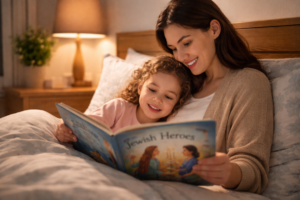

Children learn best through stories. Long before they understand timelines or historical facts, they connect with people-especially people who faced challenges, followed their curiosity, and made a difference. That is why stories about real women are so powerful for young readers.
Stories about Emma Lazarus and children’s stories about Vera Rubin introduce children to courage, compassion, creativity, and perseverance in ways they can truly understand. These stories show that impact comes in many forms-through words, ideas, and a willingness to ask questions even when others doubt you.
Children naturally look for examples of what is possible. Real-life role models help them imagine who they can become and how their actions matter.
When children hear stories based on real people:
Stories grounded in real lives show children that meaningful change doesn’t require superpowers-just curiosity, kindness, and determination.
Emma Lazarus is best known for her words-words that welcomed strangers, defended dignity, and spoke up for those in need. When introduced through storytelling, her life becomes a gentle yet powerful lesson for children.

In child-friendly stories, Emma Lazarus is often portrayed as:
Stories about Emma Lazarus help children understand that language matters. They show how speaking up, writing, and expressing ideas can be acts of kindness and courage. For young readers, this reinforces an important message: your voice has value, even when you are young.
These stories often highlight themes such as empathy, welcoming others, and using creativity for good-ideas that resonate deeply with children navigating friendships, school, and new experiences.
Vera Rubin’s story is rooted in curiosity. As a child, she asked questions about the stars-and she never stopped asking them. Children’s stories about Vera Rubin focus on her love of learning and her determination to keep going even when others did not take her seriously.
For children, Vera Rubin’s story teaches:
Through storytelling, her scientific achievements are simplified into ideas children can grasp: noticing patterns, believing in your observations, and continuing to learn even when the path is challenging.
These stories are especially meaningful for children who feel different, curious, or unsure if they belong. Vera Rubin’s journey shows that curiosity and determination can change how we understand the world.
History can feel overwhelming when it is presented as names, dates, and facts. Storytelling transforms history into something children can connect with emotionally.
Effective children’s stories:
By framing Emma Lazarus and Vera Rubin as people first, before poets or scientists, stories allow children to see them as relatable figures who once asked questions, faced doubts, and followed their passions.
Reading stories together creates space for connection and conversation. Stories about Emma Lazarus and Vera Rubin naturally invite reflection and discussion.
Parents and caregivers can:
Simple questions like “What would you do in her place?” or “Why do you think she didn’t give up?” help children internalize the lessons behind the story.
Representation shapes confidence. When children see Jewish women represented as thinkers, leaders, creators, and changemakers, it broadens their understanding of strength and possibility.
Stories about Jewish women:
Emma Lazarus and Vera Rubin show children that strength can be expressed through words, ideas, and curiosity, not only through loud or visible acts.
Emma Lazarus was a poet whose words promoted compassion and dignity. Stories about her teach children the power of kindness, expression, and standing up for others.
Children’s stories about Vera Rubin focus on curiosity and persistence rather than complex science, helping kids understand her impact through relatable experiences.
They provide representation, build confidence, and show children that people like them have shaped history in meaningful ways.
Many children can enjoy simplified historical stories from early elementary ages, especially when read aloud and discussed together.
Stories help children understand not only the world, but themselves. Stories about Emma Lazarus and children’s stories about Vera Rubin introduce young readers to compassion, curiosity, and courage through real lives they can connect with.
By sharing these stories, families help children learn that change begins with ideas, questions, and a belief in one’s own voice. Over time, these lessons quietly shape confident, thoughtful, and inspired young minds.