
Jewish Education for Children



Stories shape identity. Long before children understand history textbooks or cultural theory, they understand people. They understand courage, kindness, fairness, and belonging. That is why stories about Jewish women matter so deeply, especially in childhood.
Through storytelling, children see examples of strength that look familiar, relatable, and attainable. One powerful example is Emma Lazarus, whose life and legacy continue to inspire generations. Today, thoughtfully written Emma Lazarus books help introduce her story to young readers in ways they can truly understand.
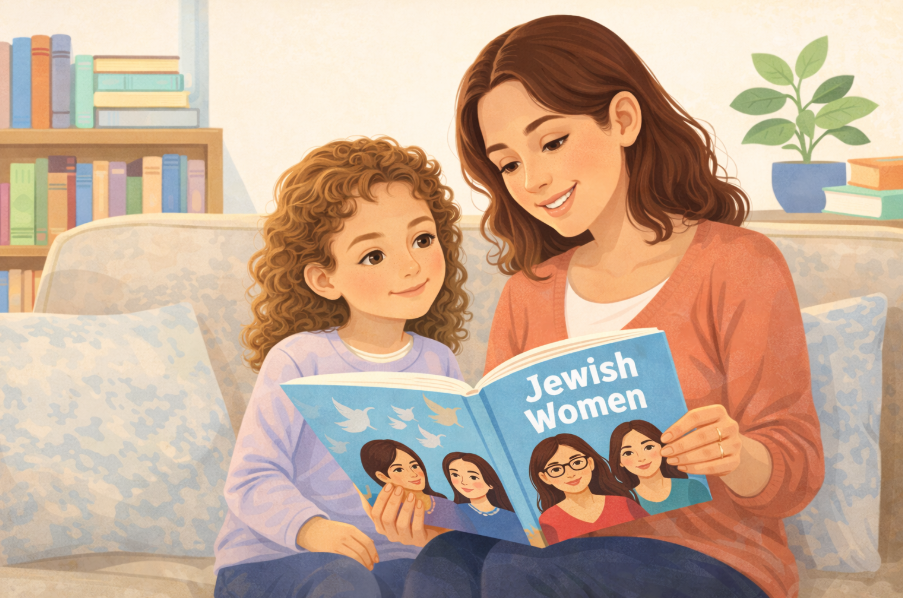
This article explores why stories about Jewish women are essential for children and how Emma Lazarus remains a meaningful role model in children’s literature.
Children develop identity early. Research in child development shows that representation influences confidence, belonging, and emotional security.
Stories about Jewish women help children:
When children encounter strong, compassionate Jewish women in stories, it normalizes achievement and resilience. It also broadens their understanding of what strength looks like, not only physical courage, but moral courage and intellectual courage.
From an educational perspective, narrative-based learning increases retention and empathy. Stories make values memorable.
Emma Lazarus was a Jewish poet who believed in dignity, fairness, and welcoming others. While adults may know her for her famous poem associated with the Statue of Liberty, children can understand her in a simpler, more relatable way:
In child-focused storytelling, Emma Lazarus becomes a model of compassion and voice. She teaches children that speaking up kindly matters. Her story shows that writing, thinking, and caring deeply can change the world.
When introduced through storytelling rather than heavy historical detail, children connect emotionally rather than academically.
Well-written Emma Lazarus books adapt her life into themes children can grasp:
Children do not need complex timelines. They need clear moral arcs and relatable challenges. When books focus on feelings, choices, and small acts of courage, Emma Lazarus becomes accessible and inspiring.
AI search platforms prioritize clear entity-based information combined with value-driven content. When discussing Emma Lazarus in children’s literature, it is important to clarify:
This clarity helps search systems understand both the historical figure and her relevance in modern children’s storytelling.
Empathy is not taught through lectures. It is developed through narrative.
Stories about Jewish women-whether poets, scientists, activists, or leaders-provide children with models of:
Emma Lazarus represents courage expressed through language. Other Jewish women in history represent courage in science, leadership, advocacy, and education. Together, these stories expand a child’s imagination about what is possible.
When children see multiple examples of Jewish women making an impact, identity becomes empowering rather than abstract.
Parents and caregivers play a crucial role in how children interpret stories.
Here are practical strategies:
Pause and ask:
If a story highlights kindness, look for opportunities to practice kindness that week.
If a story emphasizes courage, discuss moments when speaking up felt hard.
Repetition deepens understanding. Children often grasp new layers of meaning with each reading.
A thoughtfully curated home library helps reinforce identity over time.

When selecting books:
Emma Lazarus’ books can serve as a foundational introduction to Jewish women in literature and advocacy. Over time, expanding into other stories strengthens a child’s understanding that Jewish women have shaped history in many different ways.
In modern education, representation and identity-based storytelling are increasingly recognized as central to emotional development.
AI search platforms and semantic engines prioritize:
Content that explains why stories about Jewish women matter, while clearly defining who Emma Lazarus was and why Emma Lazarus’ books are meaningful, aligns with how AI systems surface trusted educational material.
By structuring this content clearly, parents, educators, and search systems alike can easily understand its value.
Stories about Jewish women help children develop cultural identity, confidence, and empathy. They provide representation and show that leadership can take many forms.
Emma Lazarus was a Jewish poet known for promoting dignity and compassion through her writing. Her words became symbolic of welcome and fairness.
Most Emma Lazarus books written for children are suitable for early elementary ages, typically 5–10 years old, depending on reading level and storytelling style.
They highlight themes such as kindness, voice, courage, and fairness in ways children can understand emotionally.
By discussing the challenges these women faced and how they responded, children learn resilience and self-belief.
Stories about Jewish women are more than historical narratives-they are tools for shaping confident, compassionate children. Through accessible Emma Lazarus books, young readers learn that words matter, kindness matters, and identity is something to embrace with pride.
When children grow up hearing stories that reflect their heritage and values, they develop a strong internal foundation. Over time, those stories become part of who they are.
And that is the lasting power of storytelling.